Each May, Mental Health Awareness Month serves as an important reminder that mental health is just as essential as physical health. Millions of people across the United States experience anxiety, depression, stress-related disorders, substance use challenges, and other behavioral health conditions each year. Yet many individuals still face barriers to receiving timely, effective support. As awareness continues to grow, one approach is emerging as a critical solution for improving outcomes and expanding access to care: collaborative care.
Collaborative care is a healthcare model that brings together primary care providers, mental health specialists, care managers, social workers, and digital support tools to create a more connected and patient-centered experience. Instead of treating mental health separately from physical health, collaborative care recognizes that emotional well-being influences every aspect of a person’s overall health.
For many individuals, primary care physicians are the first point of contact when mental health concerns arise. Patients may discuss symptoms such as fatigue, sleep problems, chronic stress, or difficulty concentrating during routine visits. In a traditional healthcare environment, those concerns may result in a referral to an outside mental health provider, often creating delays, confusion, or gaps in follow-through. Collaborative care changes that process by integrating behavioral health support directly into the care journey.
This integrated approach allows healthcare teams to coordinate treatment plans, monitor progress together, and ensure patients receive the support they need more quickly. Behavioral health specialists can consult with primary care physicians, while care coordinators help patients navigate appointments, medications, and follow-up care. The result is a more seamless experience that reduces fragmentation and improves continuity of care.
Collaborative care is especially important at a time when mental health needs are rising nationwide. The lasting effects of social isolation, economic uncertainty, workplace stress, and caregiver burnout continue to impact individuals of all ages. At the same time, healthcare systems face shortages of behavioral health professionals, making it difficult for many communities to access timely support. By connecting multidisciplinary teams and leveraging shared resources, collaborative care helps healthcare organizations extend the reach of mental health services.
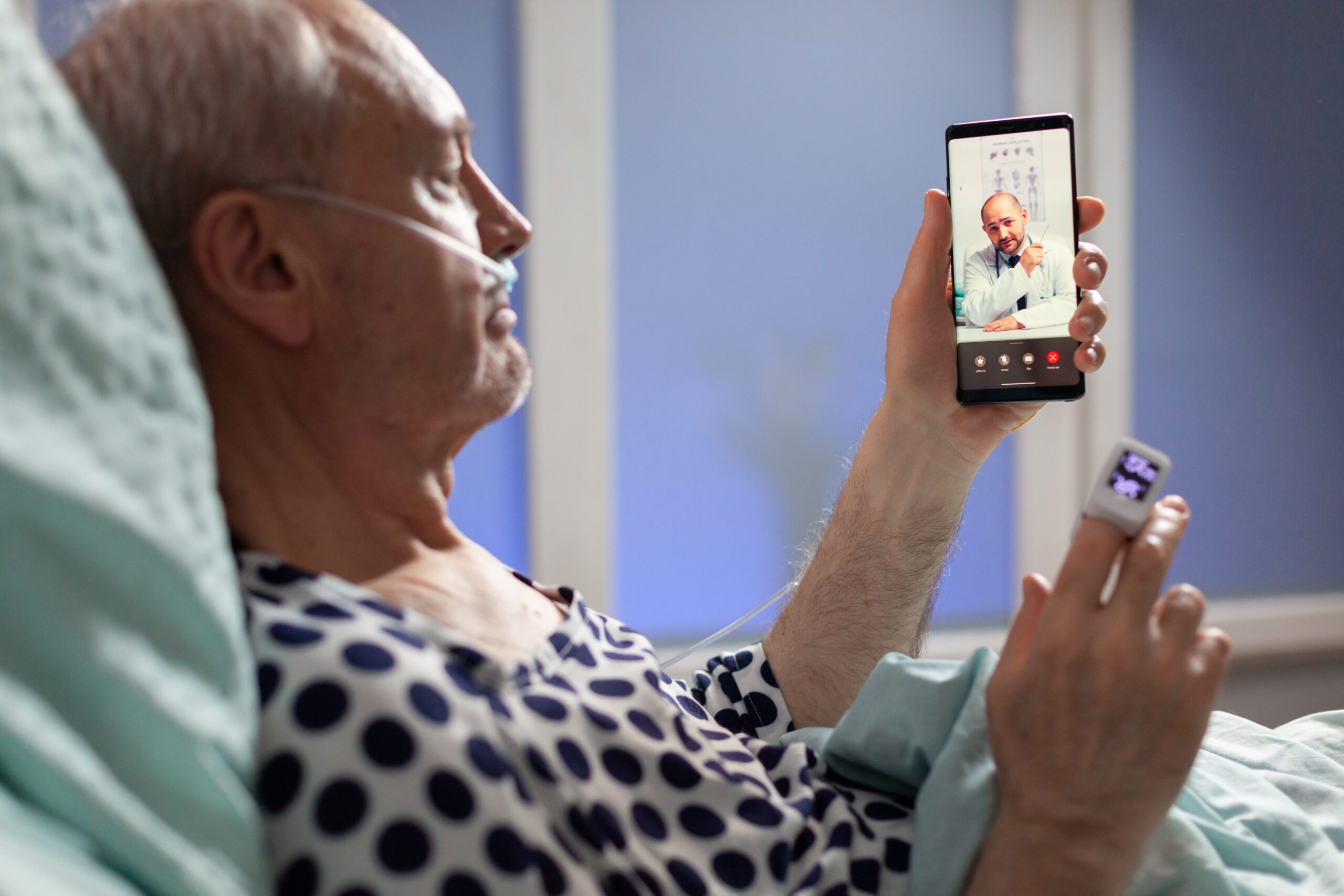
Technology, such as the Behavioral Health Operating System, BOS, from Precise Behavioral is also playing a growing role in enabling collaborative care models. The BOS integrated digital health platform, telehealth services, secure messaging systems, and AI-powered support help providers communicate more effectively and identify patients who may need intervention earlier. These technologies can improve care coordination, reduce administrative burden, and support more proactive outreach to patients at risk.
Equally important, collaborative care helps reduce the stigma often associated with seeking mental health treatment. When behavioral health becomes a routine part of healthcare conversations, patients may feel more comfortable discussing their emotional well-being openly. This normalization encourages earlier intervention, which can significantly improve long-term outcomes.
Mental Health Awareness Month is not only about raising awareness — it is about advancing solutions that make care more accessible, compassionate, and effective. Collaborative care represents a meaningful step toward a healthcare system where mental health is fully integrated into whole-person care.
As organizations, providers, and communities continue investing in mental health support, collaboration will remain essential. No single provider or system can address mental health challenges alone. By working together across disciplines, healthcare teams can help individuals feel supported, connected, and empowered on their path toward better mental wellness. That’s the goal of the Precise BOS platform, designed by clinicians for clinicians. For more information, contact us at info@Precisebh.com.